23Aug

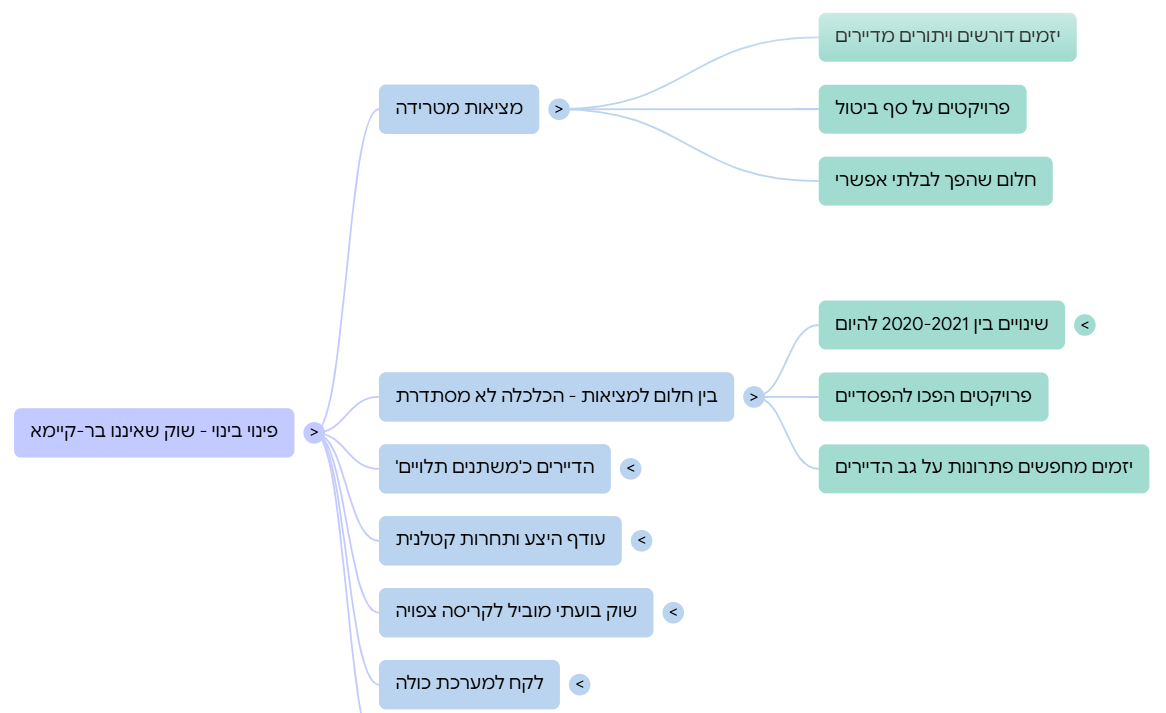
ההתחדשות העירונית נחשפה במערומיה: יזמים דורשים מהדיירים ויתורים כספיים ושטחים כדי להציל פרויקטים שאיבדו כדאיות כלכלית. עלויות הבנייה זינקו, המחירים ירדו והביקוש נשחק – והשוק מציג את מה שהזהרנו ממנו שנים: שוק נדל"ן לא בר־קיימא. בבלוג נבחן כיצד חלומות נדל"ן הפכו למציאות של עודף היצע, דיירים שבויים ויזמים במבוי סתום, ונציע לקחים קריטיים לשוק כולו – חזרה לערך פונדמנטלי, הפסקת שכפול המחירים, ומדיניות שקופה שתגן על הציבור מקריסה בועתית נוספת.


שוק שאיננו בר־קיימא – זו התוצאה

הכתבה האחרונה ב-Bizportal חושפת תמונה מטרידה של תחום ההתחדשות העירונית בישראל: יזמים פונים לדיירים בדרישה לוותר על שטחים, חניות או תוספות כספיות – אחרת הפרויקט יבוטל. מה שהיה נראה חלום לפני כמה שנים, הפך למציאות בלתי אפשרית. השאלה היא לא רק מה השתנה בדרך, אלא מה זה אומר על השוק כולו.

בין חלום למציאות – הכלכלה לא מסתדרת

בשנים 2020–2021 נחתמו הסכמים רבים בהתבסס על מחירי שיא: דירות שנמכרו ב-60–80 אלף ש"ח למ"ר, ריבית אפסית, עלויות בנייה נמוכות יחסית. אלא שהיום המצב הפוך:

  • מחירי המכירה ירדו לכ-50 אלף ש"ח למ"ר ואף פחות.
  • עלויות הבנייה זינקו מ-11 אלף ש"ח למ"ר ל-15 אלף ויותר.
  • המימון יקר – סביבת ריבית גבוהה הופכת כל פרויקט ליקר יותר ומסוכן יותר.

התוצאה: פרויקטים שהיו נראים כלכליים על הנייר הפכו להפסדיים. היזמים מחפשים פתרונות על גב הדיירים.

הדיירים כ"משתנים תלויים"

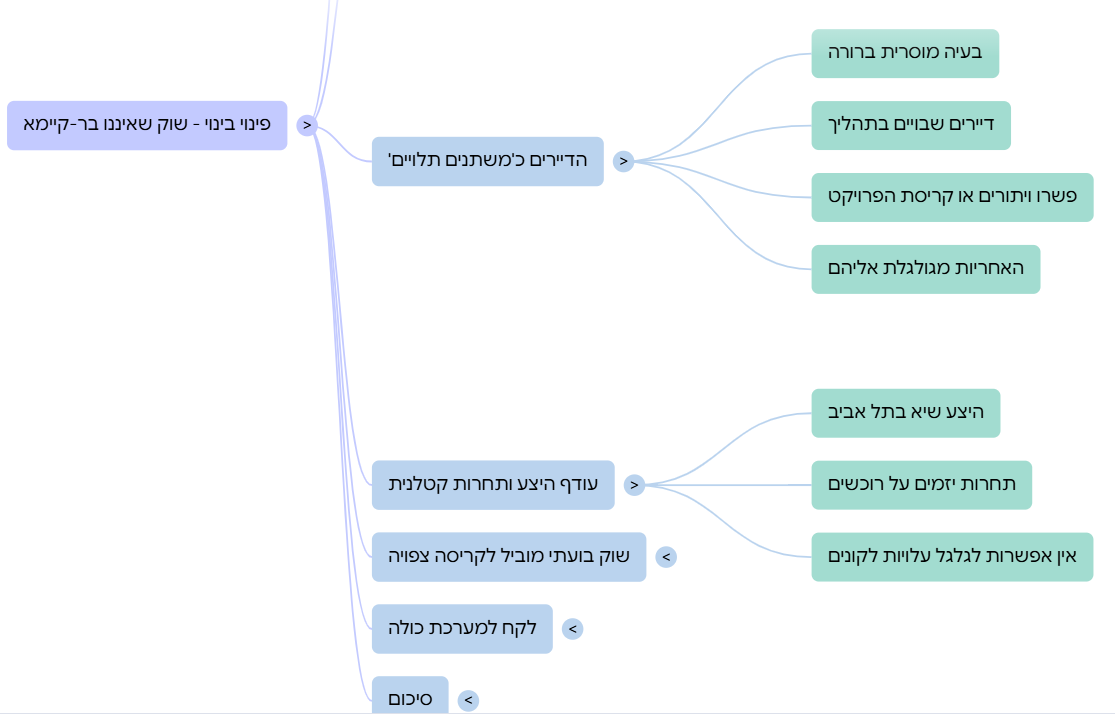
הבעיה המוסרית כאן ברורה. הדיירים, שכבר השקיעו שנים בתהליך – ישיבות, הסכמות, תכניות, חתימות – מוצאים עצמם שבויים. או שהם מתפשרים על דירה קטנה יותר, חניה פחותה או תוספת תשלום, או שהפרויקט קורס. האחריות מתגלגלת אליהם, למרות שמראש לא הם אלה שבנו תחזיות כלכליות מנותקות מהמציאות.

עודף ההיצע ותחרות קטלנית

הכתבה מתמקדת בעיקר בתל אביב – שם ההיצע הגיע לשיא. אפילו באזורים יוקרתיים כמו רובע 4, יזמים נאלצים להתחרות זה בזה על רוכשים. כאשר ההיצע חונק את הביקוש, אין אפשרות "לגלגל" את העלויות אל הקונים. השוק פשוט לא סופג.

שוק בועתי מוביל לקריסה צפויה

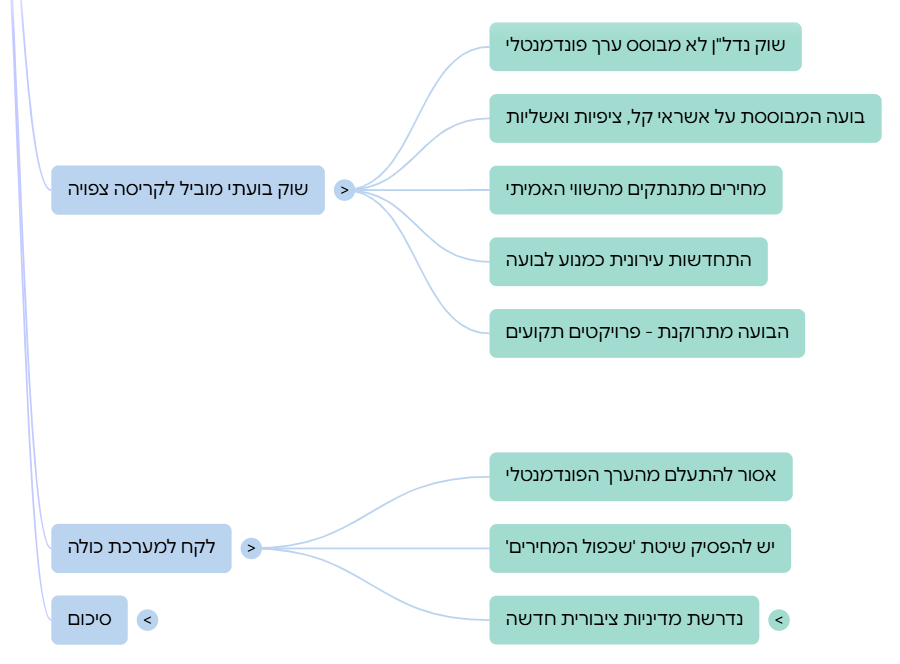
כל אלה הם ביטויים של אותה תופעה עליה אני מתריע כבר שנים: שוק נדל"ן לא מבוסס ערך פונדמנטלי אלא בועה שמבוססת על אשראי קל, ציפיות ואשליות. כאשר המחירים מתנתקים מהשווי האמיתי, הם אולי יכולים להמריא כמה שנים, אבל לבסוף כל התהליך מתנפץ על קרקע המציאות.ההתחדשות העירונית הייתה אמורה להיות מנוע לפתרון מצוקת הדיור, אך בפועל – הפכה לאחד המנועים של הבועה. והיום, כשהבועה מתרוקנת, היא מותירה אחריה לא מעט פרויקטים תקועים, דיירים מאוכזבים ויזמים במבוי סתום.

לקח למערכת כולה

  1. אסור להתעלם מהערך הפונדמנטלי – הכנסות משכירות, שיעורי היוון ריאליים, ריבית סבירה. בלי זה, אין שוק בר קיימא.
  2. יש להפסיק את שיטת "שכפול המחירים" – הערכות שנשענות על עסקאות שיא אינן כלכלה, אלא מתכון לקטסטרופה.
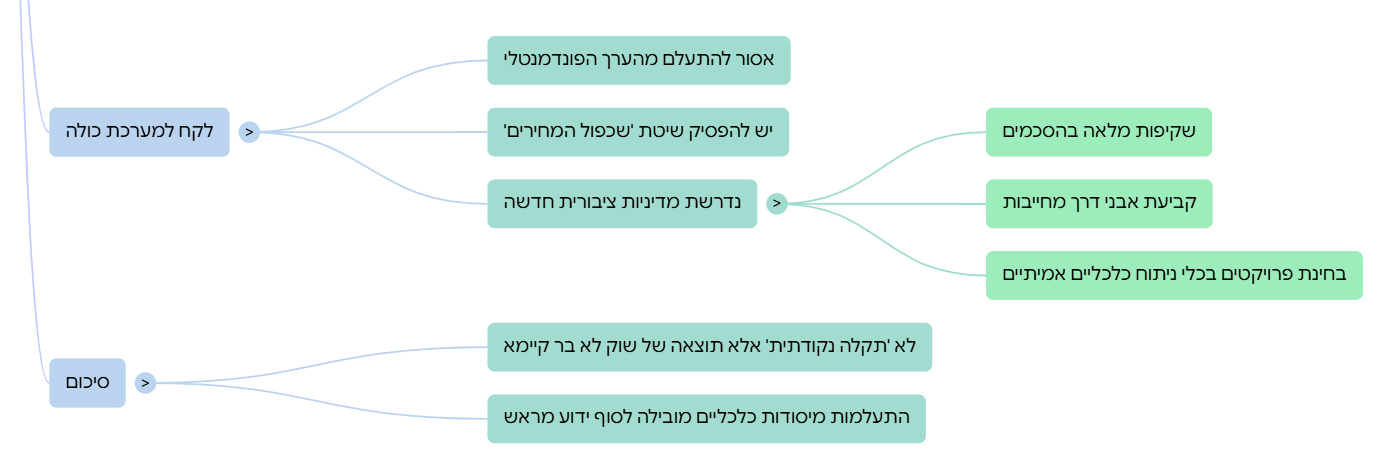
  3. נדרשת מדיניות ציבורית חדשה – שקיפות מלאה בהסכמים, קביעת אבני דרך מחייבות, ובחינת פרויקטים בכלי ניתוח כלכליים אמיתיים, לא רק חלומות אקסל.

סיכום

מה שאנחנו רואים עכשיו הוא לא "תקלה נקודתית" אלא תוצאה ישירה של שוק לא בר־קיימא. יזמים ודיירים כאחד נגררים למציאות שבה ההבטחות לא מתממשות. המסקנה ברורה: כאשר מתעלמים מהיסודות הכלכליים לטובת מחירי בועה – הסוף ידוע מראש.
חלום התמ"א מתנפץ: למה הקבלנים מבטלים הסכמים עם דיירים?

23Jun

When demolished buildings are rebuilt, the law requires adding a building permit – but who will pay? A pointed blog about the problem of forced rehabilitation after damage, and the call for the establishment of a dedicated government fund to solve it. When a state rebuilds demolished apartments – it is obligated to add a building permit. But who will finance the cost of the improvement? A pointed blog that illuminates the budgetary trap of reconstruction under a mandatory protection standard. When a state promises to rehabilitate demolished apartments, it demands that a building permit be included – but does not commit to financing it. This is the building permit trap, a legal distortion that jeopardizes the entire reconstruction process. The owners of the apartments whose homes were demolished hope for reconstruction through evacuation and construction, but the banks' strict requirements for early sale make the dream unfeasible. Without government intervention – the projects will stall, and the destruction will remain. The demolished buildings will not be rebuilt without an emergency financing formula. The demand for early sales is stifling the possibility of evacuation-reconstruction projects. The state must intervene and build a new rehabilitation model.


Compulsory medical treatment – ​​but who will pay?

The demolished buildings: between hope for renewal and a financing trap

In the midst of a period in which rocket barrages have become routine, many of the buildings that were damaged throughout Israel – especially in old areas – have been or will be demolished. Some were built in the 1960s and 1970s, without a standard protected space (MPS), and the apartment owners look to their future in the hope of an evacuation-and-build project or government assistance that will restore their roof over their heads. But there is a fundamental problem that the state has yet to provide a real solution to: building new apartments requires an additional MPS – and this involves a high cost. This is a legal requirement – ​​not a permit – so even when the state participates or the developer is willing to build, the cost of building the MPS falls between the chairs.


The heavy cost of a mandatory upgrade

A building that is demolished and rebuilt according to the 2025 regulations requires the construction of a drywall in each apartment – ​​even if there was none before. But drywall is not drywall – it costs 100–200 thousand NIS per unit , depending on the specifications, area, floor, and quality. So who is supposed to pay for it?

  • The state? Has not yet committed.
  • The developer? Only if the project is financially viable – which doesn't happen in a market saturated with unsold apartments and declining yields.
  • The apartment owner? Why should he pay for the "improvement" that was forced upon him after a disaster?

Reclamation ≠ Compensation: On the one hand, a roof, on the other, an expensive obligation

The requirement for a municipal building creates a paradox: the new apartment is upgraded and protected – but the improvement is forced on the injured party . In a normal case, such an addition is considered a "privilege". Here, it is a regulatory requirement, which makes compensation problematic:

How can you talk about "rehabilitation value" if you are not getting an apartment back with matching specifications but are required to "finance the upgrade"?

Call for an immediate solution: a dedicated fund to finance battalions

In the current security reality – and one that is expected to worsen – the state must establish a dedicated funding fund to fully finance the construction of shelters in reconstruction projects after war damage. Whether through property tax, the Ministry of Defense, or the Ministry of Housing – it is not the role of the family that was rescued from a missile – to finance its next defense.


Bottom line: Without funding for the MMAD – there is no real rehabilitation

Urban renewal after damage is a necessary step, but without a clear solution to the issue of the construction sites – any promise of evacuation-construction or a rehabilitation TAMA will collapse in the face of critical funding constra